
VISION StoryMap
Viet Nam’s Initiative for Sustainable Industries On to Net-Zero (VISION)
Supporting lower-carbon industrial energy pathways for Viet Nam’s textile and apparel and food and beverage sectors.
Textile and apparel and food and beverage are central to Viet Nam’s industrial economy, employment and export value chains. They also rely on energy-intensive processes such as heating, cooling, steam, drying, washing and processing.
VISION supports facilities to assess practical pathways for reducing industrial emissions through energy efficiency, renewable energy, heat pumps, waste heat recovery, chillers, finance and technical support.
Planned support
700
planned facilities
490
Textile & Apparel
210
Food & Beverage
Planned support scale.
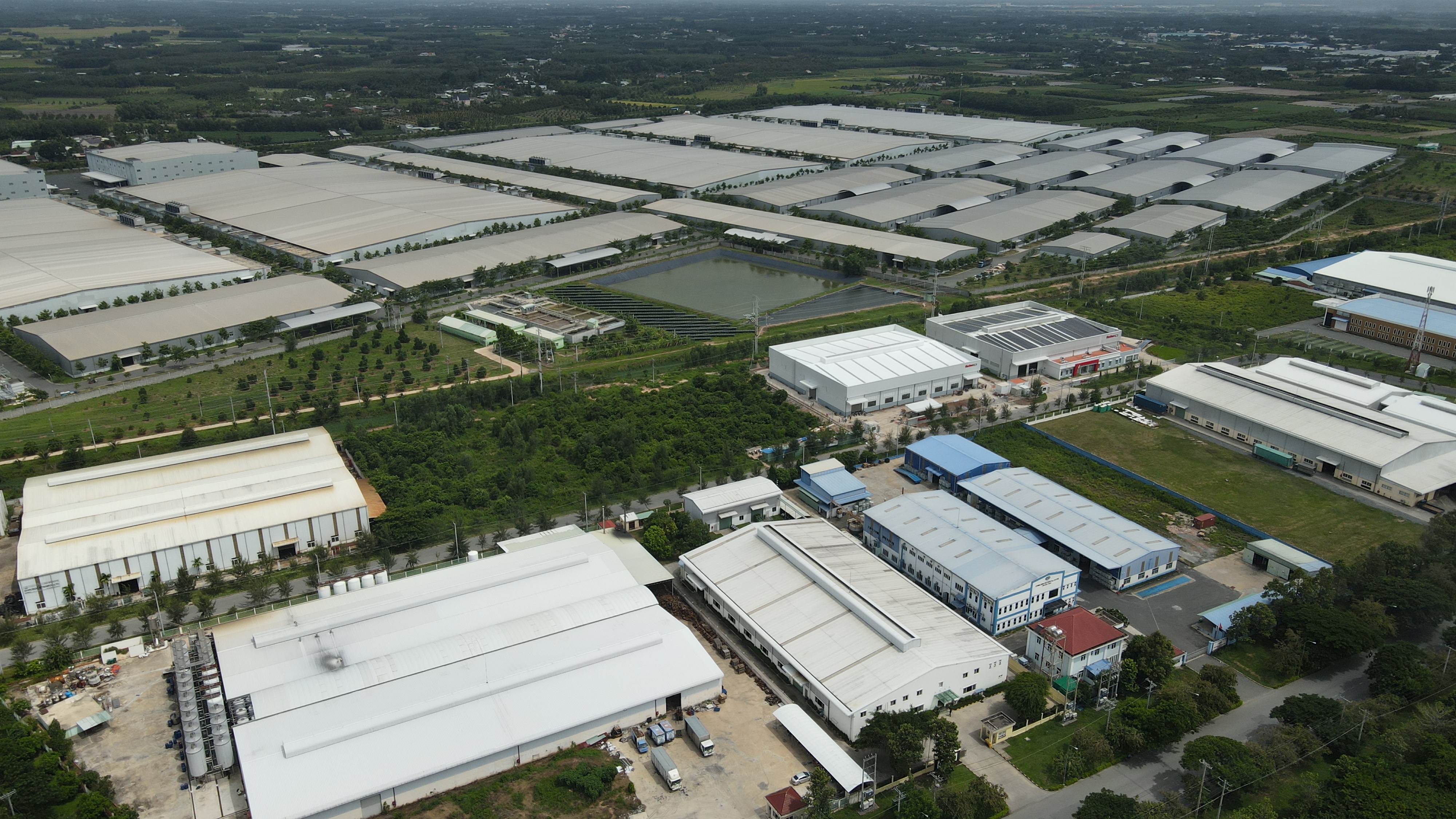
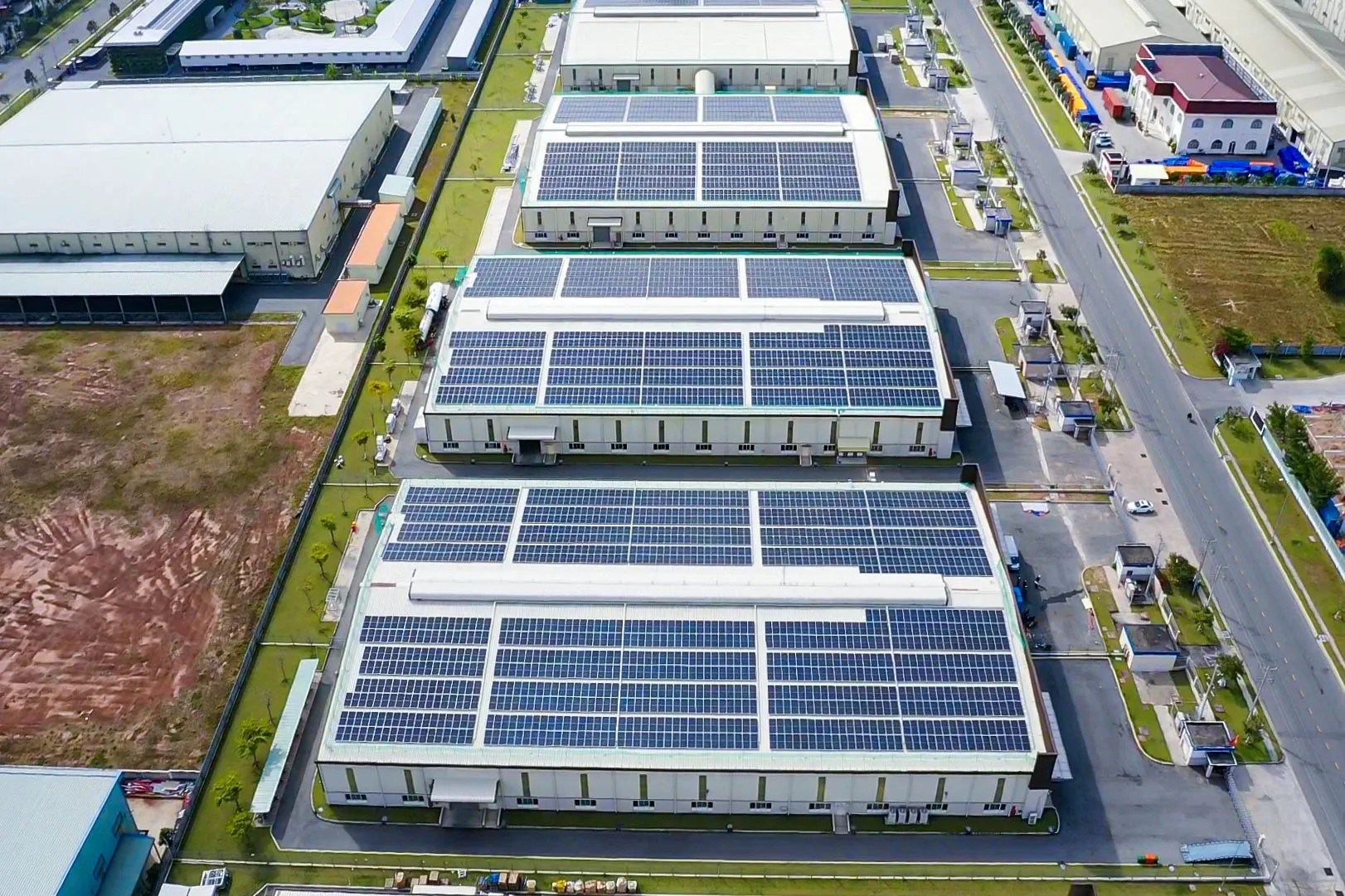
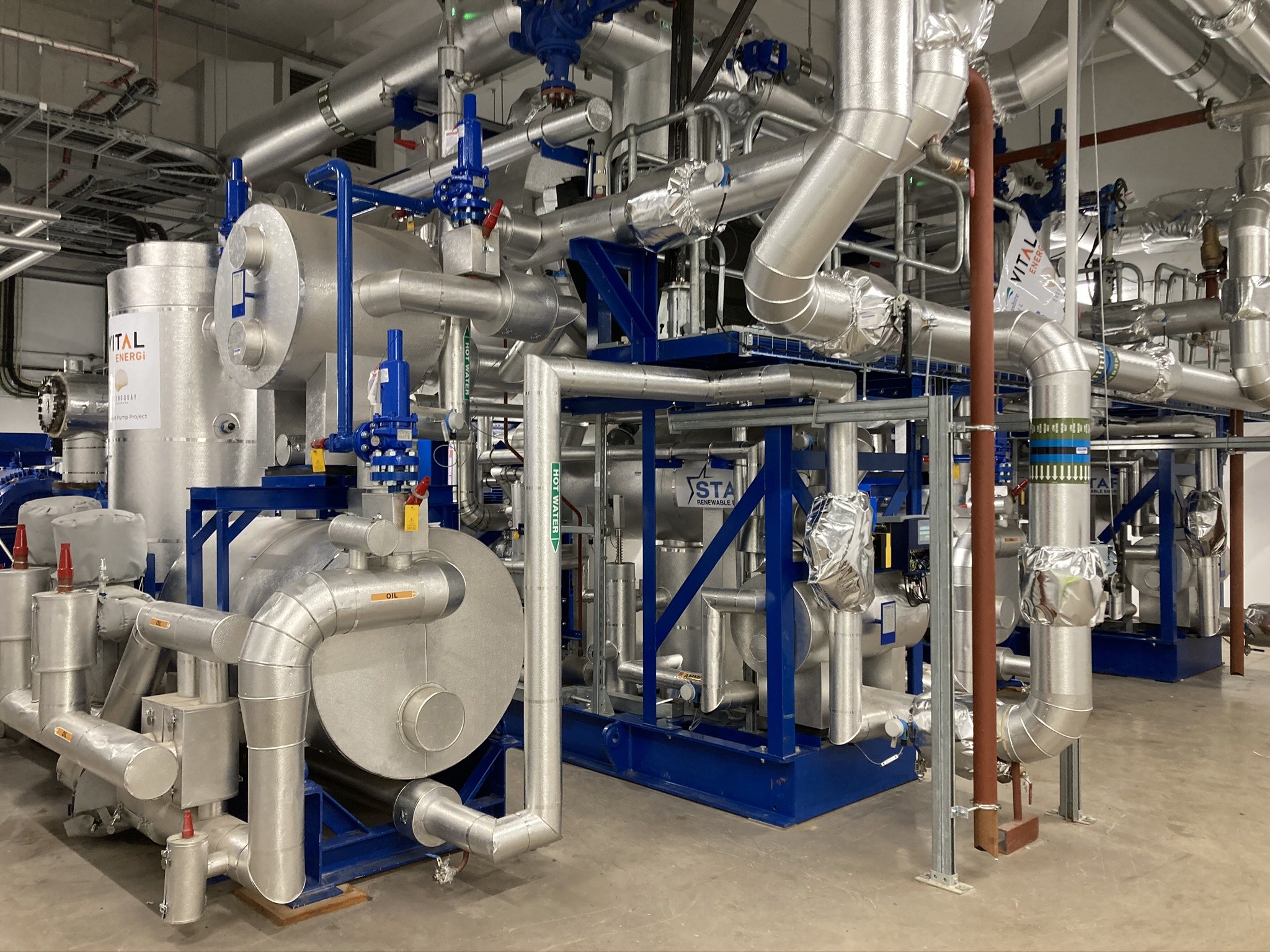
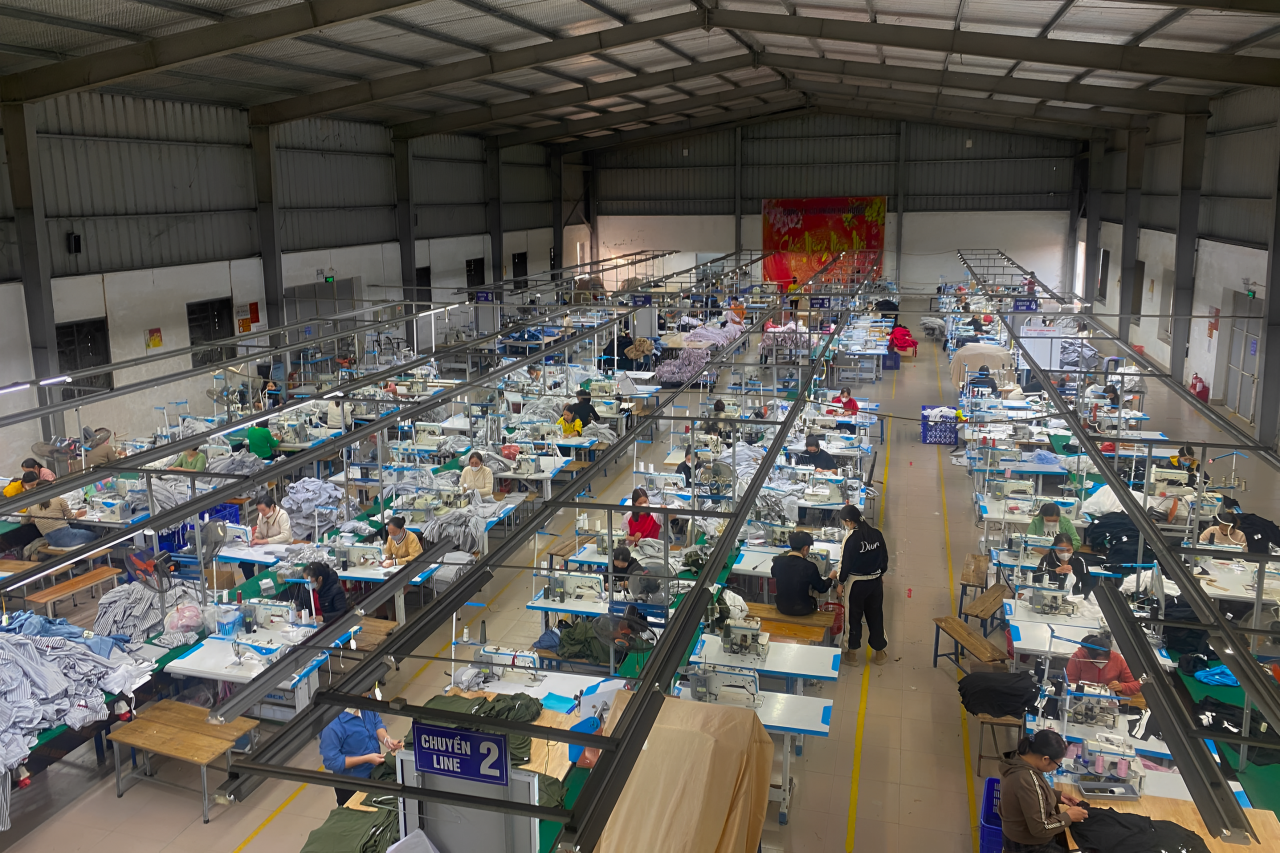
01
Why this matters
Industrial decarbonization becomes real inside factories.
VISION focuses on practical energy choices in textile and apparel and food and beverage manufacturing, where facilities can assess opportunities to reduce demand, use renewable electricity, recover useful heat and improve industrial heat and cooling systems.
Textile & Apparel (T&A)
Textile & Apparel
Energy demand is linked to wet processing, dyeing, washing, drying, finishing and utility systems such as steam, hot water, compressed air, pumps and motors.
Food & Beverage (F&B)
Food & Beverage
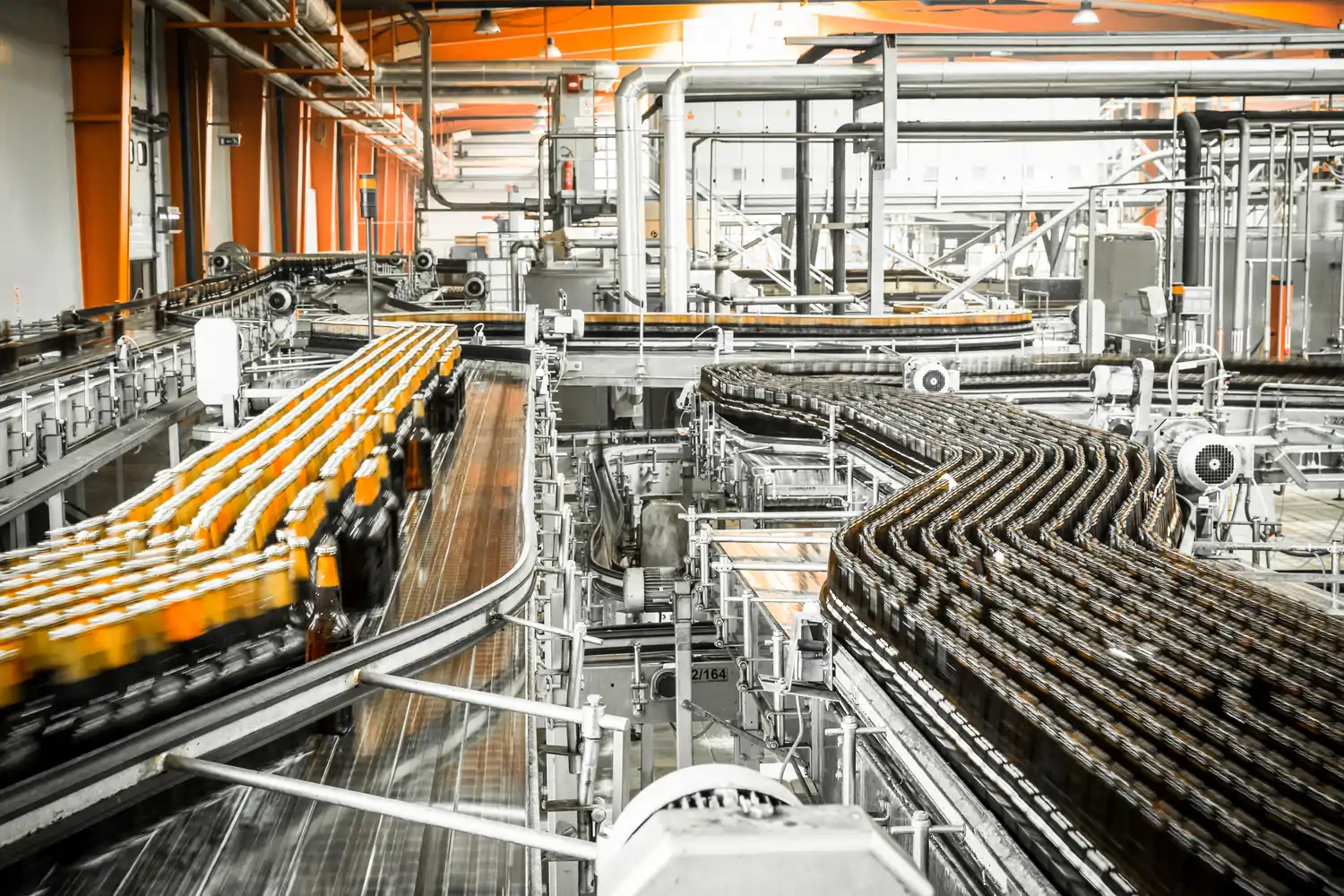
Energy demand is linked to raw material processing, heating, pasteurization or brewing, cooling, refrigeration, cleaning, CIP and plant utilities.
02
Where emissions come from
Energy demand is distributed across production and utility systems.
Process pathways help show where energy demand and emissions can arise. In both sectors, production steps and shared utility systems can shape the most practical decarbonization options.
Textile & Apparel
Material preparation
Wet processing / dyeing / washing
Drying and finishing
Utilities: steam, hot water, compressed air, pumps, motors
Food & Beverage
Raw material processing
Heating / pasteurization / brewing
Cooling / refrigeration
Cleaning / CIP / utilities
Process steps are shown qualitatively. Utility systems such as steam, compressed air, pumps, motors, cooling and refrigeration can be important energy users across several steps.
03
Where action is possible
Six solution groups provide a practical menu for lower-carbon industrial energy pathways.
Direct mitigation
Indirect mitigation
04
GHG mitigation potential
Estimated mitigation potential across project implementation, post-project operation, and technology lifetime.
05
M1-M5 impact indicators
Expected project-level impacts and mobilization targets are summarized through five headline indicators.
These figures describe expected project-level impacts and mobilization targets.
Indicator notes
06
Anonymized learning cases
Two anonymized cases illustrate how different solution pathways can be compared for facilities in the priority sectors.
Values are based on project assessment data and are shown for comparison of solution pathways.
07
Facility map
Anonymized facility locations show the planned support scale across Viet Nam’s textile and apparel and food and beverage sectors.
Green marker: Textile & Apparel (T&A)
Orange marker: Food & Beverage (F&B)
Province-level aggregation view pending. Facility-level map is available only in full project view.
Planned support activities
VISION plans to support 700 facilities across the textile and apparel and food and beverage sectors. Support will combine direct technology adoption with broader technical assistance, including energy efficiency, rooftop solar PV, heat pumps, GHG inventory, capacity building, technical assessments, MRV readiness and implementation support.
08
What policy support is needed
Technology adoption depends on finance, renewable-electricity procurement, grid conditions, MRV, carbon-market readiness, and technical capacity.
Finance
Bankable models and risk management.
Renewable-electricity procurement
Clear routes for lower-carbon power.
Grid and permitting
Rules and connections that enable action.
MRV
Credible measurement, reporting, and verification.
Carbon-market readiness
Systems for future climate value.
Technical capacity
Skills to assess and implement.
From assessment to action
Explore practical pathways for lower-carbon industrial energy.
The VISION assessment tool helps facilities and partners explore opportunities for energy efficiency, renewable electricity, industrial heat solutions and implementation support.
Explore the assessment tool